



Requirement definition and rule formation for digital product passport in Japan
Principal Organization
Nomura Research Institute, Ltd.
Research and Development overview
Based on regulations and rules concerning DPP requirements in Europe, we will establish related rules, including the ideal state of data formats, security for data utilization, and data access control necessary for data linkage between the manufacturing (upstream) and recycling (downstream) industries of plastics in Japan. In creating these rules, alongside broad discussions and consensus-building among industry, government, and academia stakeholders, we will utilize individual company traceability systems currently under development and "PLA-NETJ," which is being developed in parallel with this R&D project. By conducting demonstration experiments regarding the manufacturing and utilization of recycled plastics and data linkage in actual supply chains, we will ensure that rules and requirements are practical, thereby enhancing the effectiveness of PLA-NETJ. Additionally, to promote the utilization of PLA-NETJ and improve consistency and connectivity with the Battery Passport and other DPPs already under development, we will create, disclose, and update guidelines.
From FY2026 onwards, setting future challenges such as developing a common language for the guidelines (1), expanding the scope of requirements organization (2), and expanding target use cases (3), we will advance further research, verification, and discussions with stakeholders while incorporating the research outcomes of the entire SIP program. Furthermore, to achieve the early social implementation of information-driven resource circulation, we will identify the technological and scheme elements required for the social implementation of advanced plastic circulation, along with their corresponding information requirements.
By clarifying the envisioned ideal state of overall resource circulation, we will update the document into the "Social Implementation Technology Guidelines for Plastic Circulation."
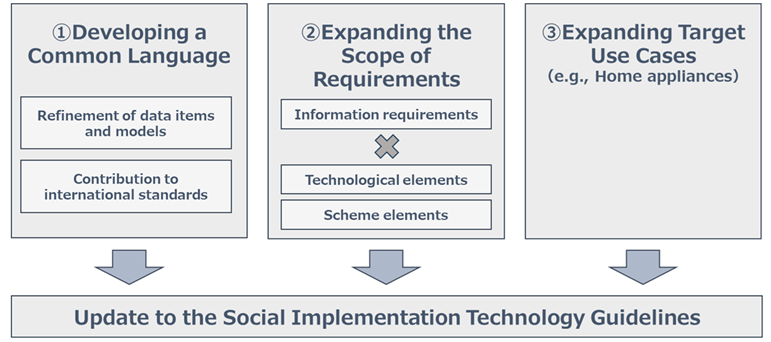
Figure 1. Challenges for FY2026 and beyond