



B1-03 Building a data-driven advanced sorting system
Principal Investigator
ISEKI Yasuto (Mitsubishi Electric Corporation)
Research and Development Overview
Background
- “Electrostatic separation” is an advanced plastic sorting technology that achieves high purity by utilizing differences in triboelectric charging characteristics of materials.
- Self-developed electrostatic separation equipment is in operation in our home appliance recycling plant.
- It can efficiently sort various plastics, not only home appliances.
Purpose
Build a data-driven “Smart Electrostatic Separation” system for stable supply of high-quality recycled plastic.
Outline of Research and Development
- IoT sensors monitor factors of electrostatic separation and AI controls sorting conditions.
- Plastic materials of any compositions can be automatically and optimistically sorted!
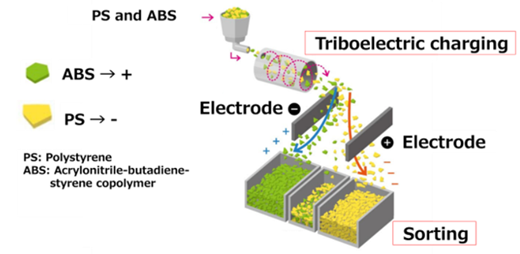
Fig.1 Principle of electrostatic separation
(Example of our home appliance plastic recycling)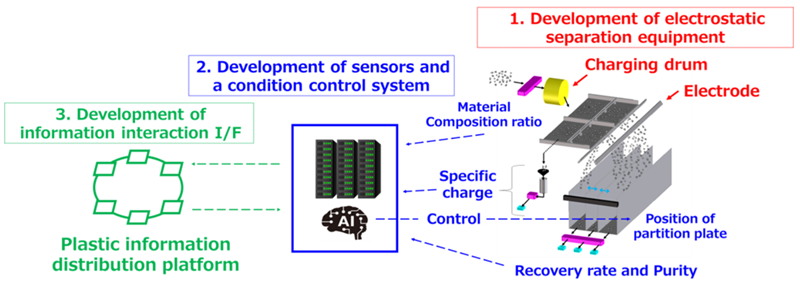
Fig.2 Data-driven electrostatic separation equipment
Progress and Achievements
- For the demonstration of smart electrostatic separation at a mass‑production scale, an electrostatic separation demonstration machine with a processing capacity of 200 kg/hr was developed, and demonstration operation under practical conditions has been initiated (Fig. 3).
- To acquire key parameters essential for electrostatic separation performance evaluation—including material composition ratios, specific charge, purity, and recovery rates—additional sampling and sensing devices were newly designed and implemented in the demonstration machine. Various sensors were implemented, and systematic data acquisition has commenced (Fig. 4).
- Data requirements were formulated to enable system‑level interoperability between PLA‑NETJ and our advanced sorting system.
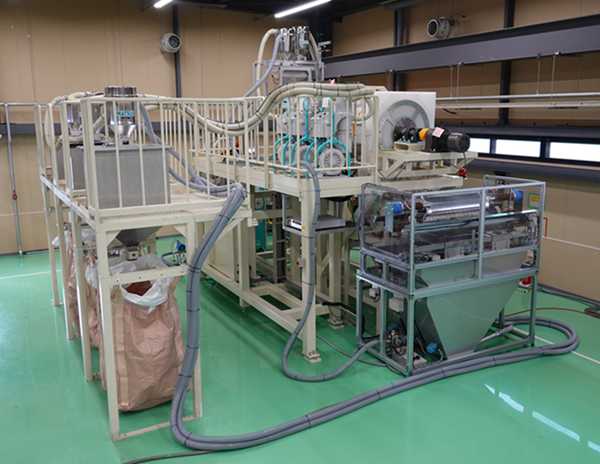
Fig.3 External view of the electrostatic separation demonstration machine
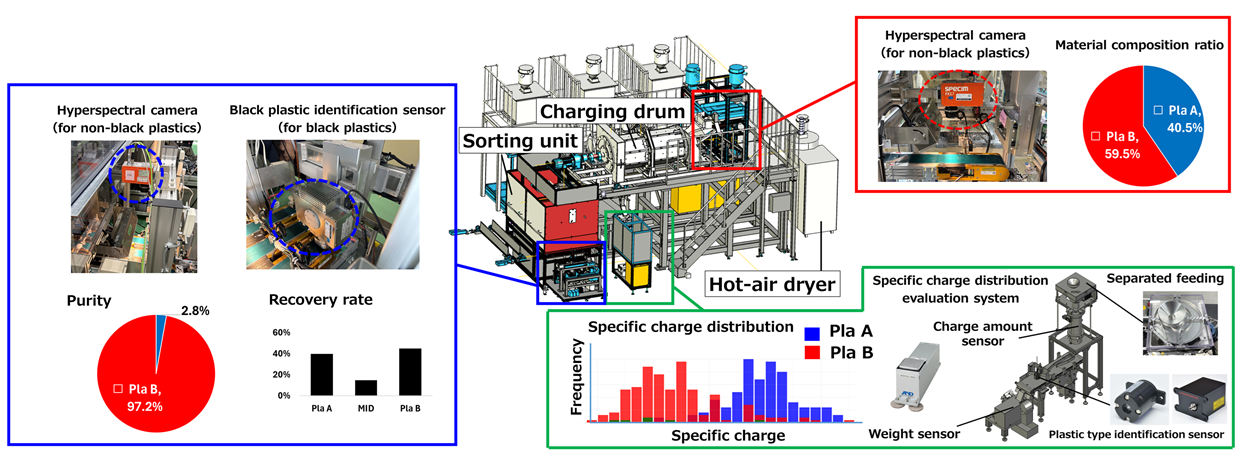
Fig.4 Sensors implemented in the electrostatic separation demonstration machine and examples of acquired data