



C1-01 Development of Circular Materials Based on Network Polymers with Dynamic Crosslinking Structures:
Social Implementation of a Carbon-Fiber Recycling Circulation System Utilizing Self-Healing Functional Materials
Collaborating Organization
Teijin Limited
Research and Development Overview
In this R&D project, novel circular materials based on network polymers with dynamic crosslinking structures (self-healing resins) are being developed, with the goal of achieving the social implementation of a recycling circulation system for carbon fiber (CF). The developed resin combines thermoplastic and thermoset properties; it can be manufactured as-is using the existing epoxy-resin prepreg process (no capital investment required), while offering low viscosity and easy resin impregnation. Furthermore, a design that triggers rapid decomposition only under specific conditions achieves excellent recyclability, advancing the construction of a fully closed loop of “raw material → prepreg → product → end-of-life → recycling.”
Progress and Results
- Demonstrated a low-temperature, low-energy CF recovery and resin decomposition process (PoC completed)
For CFRP using a self-healing resin (disulfide-based material), a low-temperature, low-energy fiber recovery technology based on a solution method (70°C × 2 hours) was established, and a high-quality, high-productivity CF recycling and resin decomposition process was demonstrated as a PoC. The recovery and separation technology achieves the following QCP:- Quality (Q): Recovery as low-damage, continuous fiber (strength retention confirmed)
- Cost (C): Low-cost process
- Productivity (P): Low energy (low temperature 70°C, atmospheric pressure, short processing time)
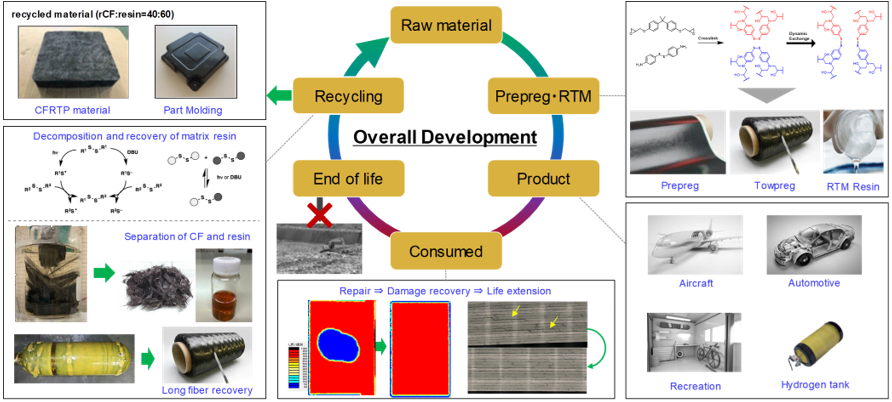
Figure 1. Overview of CFRP Development Using a Self-Healing Resin (Disulfide-Based Material)
[PoC completed: Establishment of low-temperature, low-energy fiber recovery technology] - Recovered CF achieved strength and quality usable in practice as a recycled material
Evaluation of the single-fiber tensile strength of the recovered carbon fiber (gauge length L = 10 mm) showed that CF recovered by the solution method (developed) had a small standard deviation with little scatter, retained strength in the high-strength region, and achieved quality usable in practice as a recycled material (Weibull strength distribution of recovered CF, n = 50).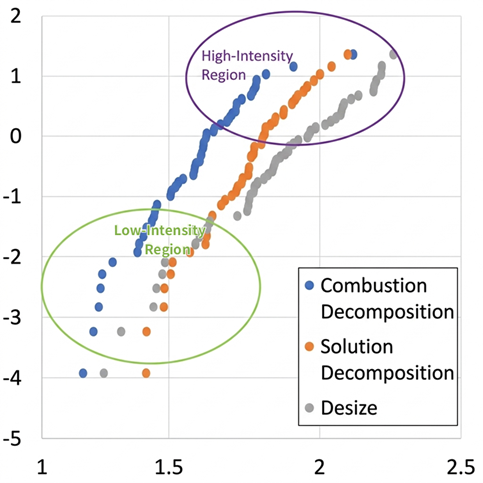
Figure 2. Recovered CF Weibull strength distribution (n = 50)
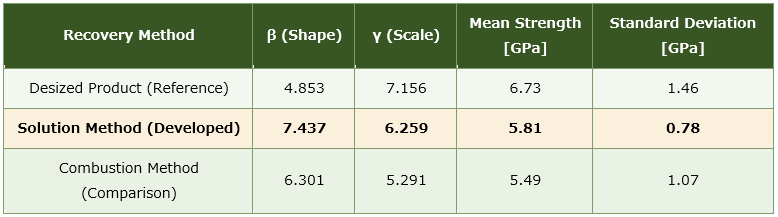
(Reference) Single-fiber tensile strength characteristics of recovered carbon fiber (gauge length L = 10 mm). The solution method had the smallest standard deviation and retained strength in the high-strength region.
- Future Plans (Years 4 and 5)
The MVP level has been achieved, and the work will now move to the stage of raising the technology readiness level. Collaboration with the venous side will be strengthened: CFRP offcuts discharged by manufacturers will be collected, the carbon fiber extracted, and process development advanced toward commercialization. In parallel, resin, feedstock, and material development as well as recycled-product development will be promoted, and arterial–venous collaboration will be further accelerated through partnerships with brands, OEMs, and recyclers.