



C1-02 Research on Structural and Physical Property Enhancement of Recycled Materials through Molding and Processing Technologies
Collaborating Organization
Yamagata University
Research and Development Overview
In coordination with ongoing research and development activities focused on the evaluation of the physical properties of recycled materials and the establishment of a comprehensive database, physical property data for a range of recycled materials were systematically acquired.
In parallel, collaborative research with multiple industrial partners was conducted to enhance the quality of recycled materials.
In FY2025, the research activities were concentrated on the following two principal project areas:
Project 1
A comprehensive evaluation of degradation behavior in both virgin and recycled materials was carried out using various advanced analytical techniques, including chemiluminescence analysis, fluorescence spectroscopy, and Raman spectroscopy.
In addition, melt flow rate (MFR), melt viscoelasticity, and moldability were assessed to clarify the influence of degradation on processing characteristics. To elucidate the long-term durability of molded products, particular emphasis was placed on creep behavior, and the physical and mechanical properties of virgin and recycled materials were systematically evaluated and compared.
Project 2
Molded products obtained through blending recycled materials with virgin materials, as well as those produced via molding processes with controlled thermal histories, were evaluated. In addition, strategies for quality improvement were investigated. Specifically, changes in material structure and physical properties associated with thermal ageing were examined by varying both the type and proportion of virgin material added.
Progress and Results
The relationship between additive content and degradation level in additive-free polypropylene (PP) was evaluated through thermal oxidative degradation tests using multiple analytical methods applied to both refined-grade and general-purpose PP. A clear correlation was identified between the quality degradation of recycled glass fiber–reinforced polypropylene (GFPP) and fiber breakage. Furthermore, the effectiveness of multi-screw extruders and compatibilizers in polypropylene/polyethylene (PP/PE) blends was demonstrated, providing practical guidelines for the utilization of recycled polyethylene derived from PET bottle caps.
In addition, the mechanism by which recycled materials attain high toughness through high-pressure pressing was analyzed. Given that durability and long-term service life are critical factors for the practical application of recycled materials, tensile creep data were continuously accumulated in this study. Based on these data, a predictive model for creep degradation was proposed (see Fig. 1).
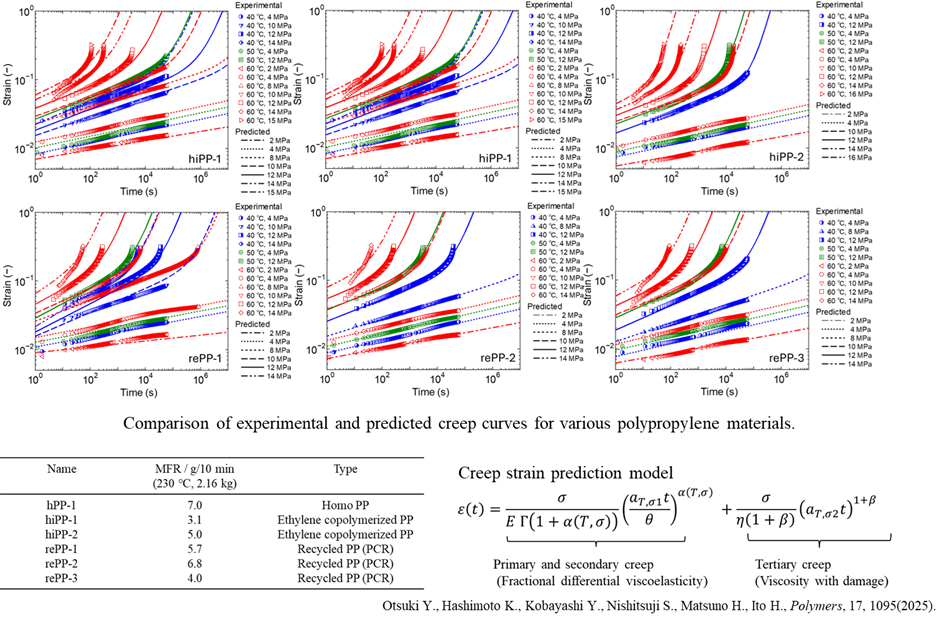
Figure 1 Creep Behavior and Prediction Models